

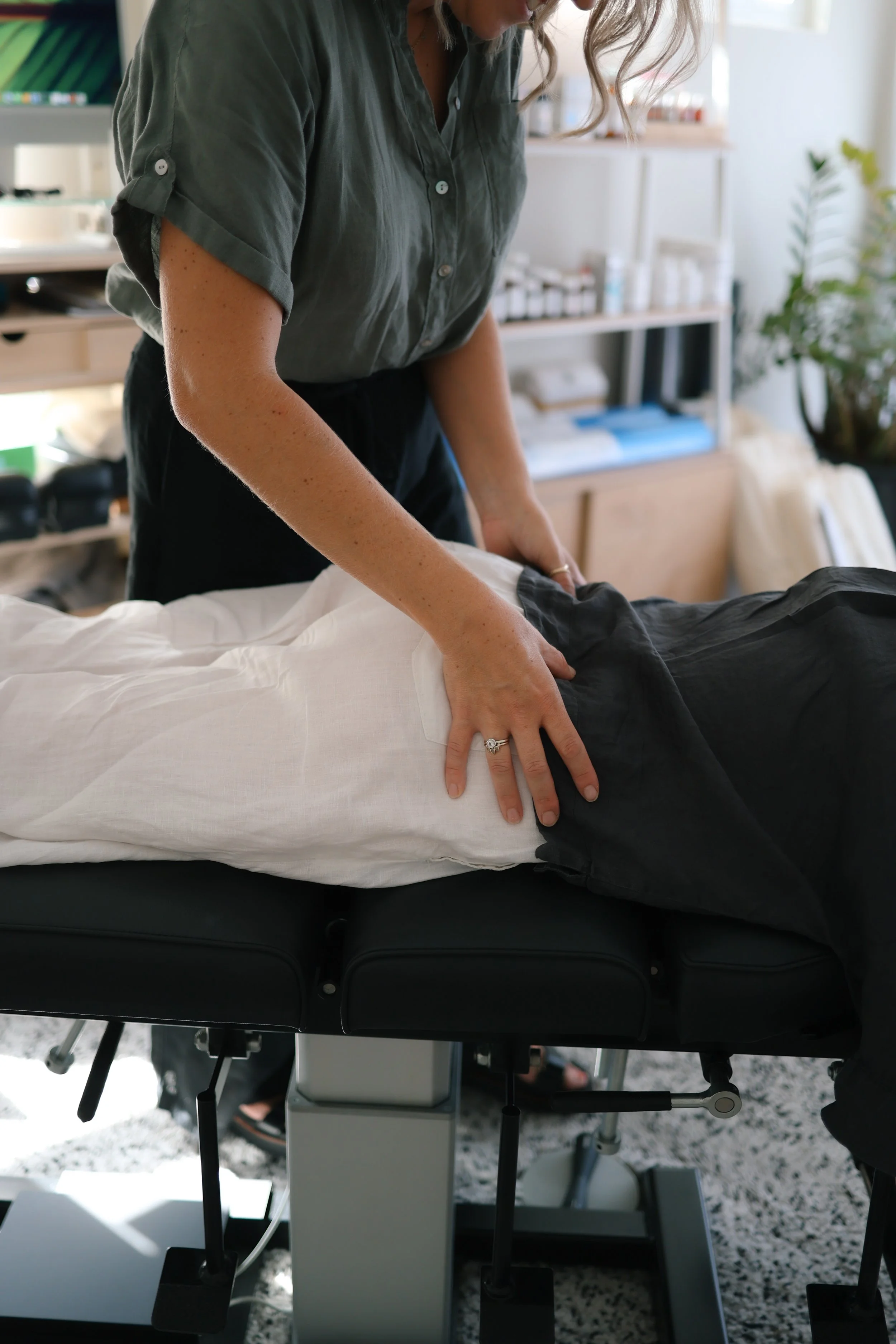
Disc pain & Sciatica
Disc pain and Sciatica in Applecross
When back pain makes it hard to sit through a meal, put your shoes on or get a decent night’s sleep, it’s natural to wonder what’s going on. If the pain also shoots into your buttock or down your leg, you might be wondering whether it’s sciatica.
At Flourish Chiropractic, we assess lower back and leg symptoms, explain what we find and talk you through your options. You don’t need to know what’s causing the pain before you come in.
What’s the difference between disc pain and sciatica?
Disc-related pain can occur when one of the discs between the bones of your spine becomes a source of irritation. You might feel pain mainly in your lower back, especially with certain movements or positions. A disc bulge on a scan can also be present without pain, so we consider the scan alongside your symptoms and examination.
Sciatica describes pain that travels down the leg when a nerve root in the lower back is irritated or compressed. A bulging or herniated disc is one possible cause. Other back or hip problems can also cause pain in the buttock or leg, which is why an assessment can help clarify what’s going on.
What can sciatica feel like?
Sharp, burning or shooting pain into the buttock or down one leg, sometimes reaching the foot
Pins and needles or numbness in the leg or foot
Weakness in the leg or foot
Leg pain that flares when you bend, cough or sneeze
You can have sciatica with very little back pain. If you notice new weakness in your leg or foot, seek prompt assessment.
Do I need an MRI before I book?
Usually, you can start with an assessment. Imaging is generally considered when the findings could change your care, such as when symptoms suggest significant nerve involvement or another condition that needs medical investigation.
When should I seek urgent care?
If you develop new trouble passing urine or controlling your bladder or bowels, numbness around your genitals or anus, or rapidly worsening leg weakness, seek emergency medical care immediately.
Book an initial consultation
If lower back or leg pain is getting in the way of your day, book an initial consultation at Flourish Chiropractic, 800 Canning Highway, Applecross. There’s plenty of on-site parking.
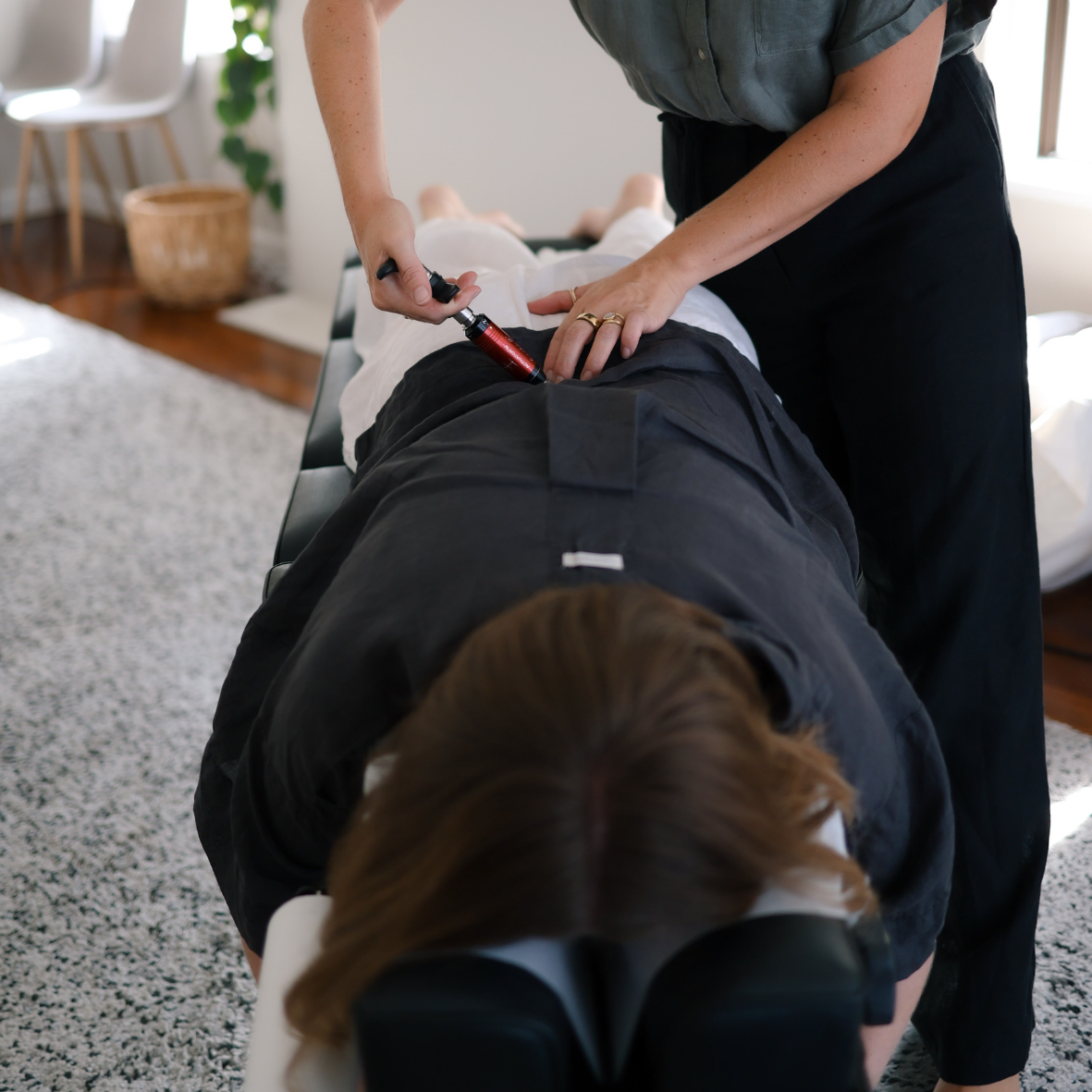
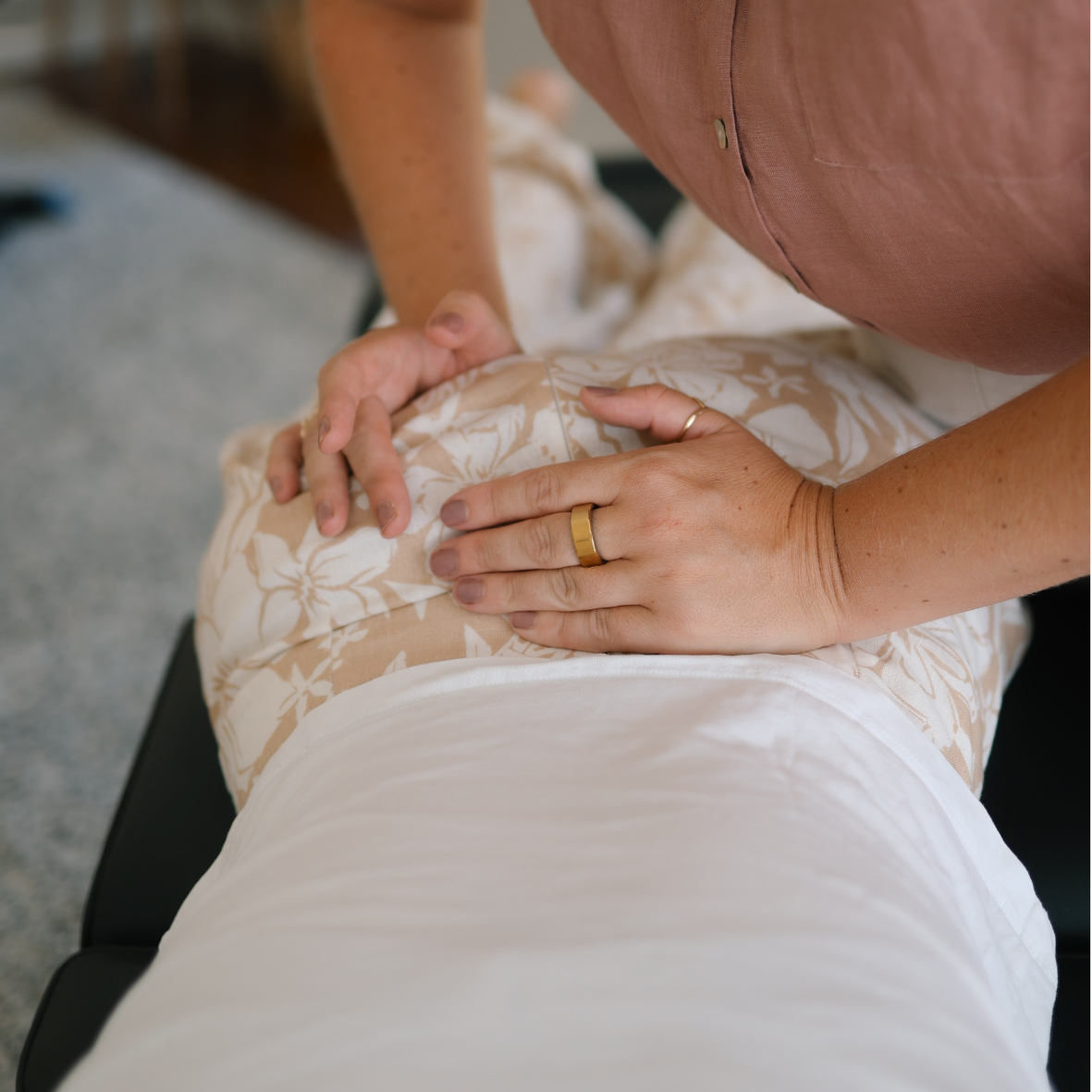
Spine-tingling’ sometimes isn’t as good as it’s cracked up to be
If you’re experiencing a sore back, it’s important to be aware of the potential causes even before receiving a formal diagnosis. Common factors that can contribute to disc issues, including herniated or bulging discs, include wear and tear from aging, repetitive movements, improper lifting techniques, injuries, weight gain, and genetic predisposition.
Both herniated and bulging discs can cause immense pain, sciatica and at our clinic, we understand that each person’s pain experience is unique and should be taken seriously. We approach the treatment of all disc conditions with utmost care and dedication, tailoring our approach to address the specific needs and circumstances of each individual. We treat the whole of you, because you deserve better than a life backed up with discomfort.
If you have tingling, numbness, muscle weakness, changes in bowel or bladder function, or any kind of pain in other parts of your body you suspect may be coming from a disc issue, we can find the root cause at an initial consultation and treat you accordingly.
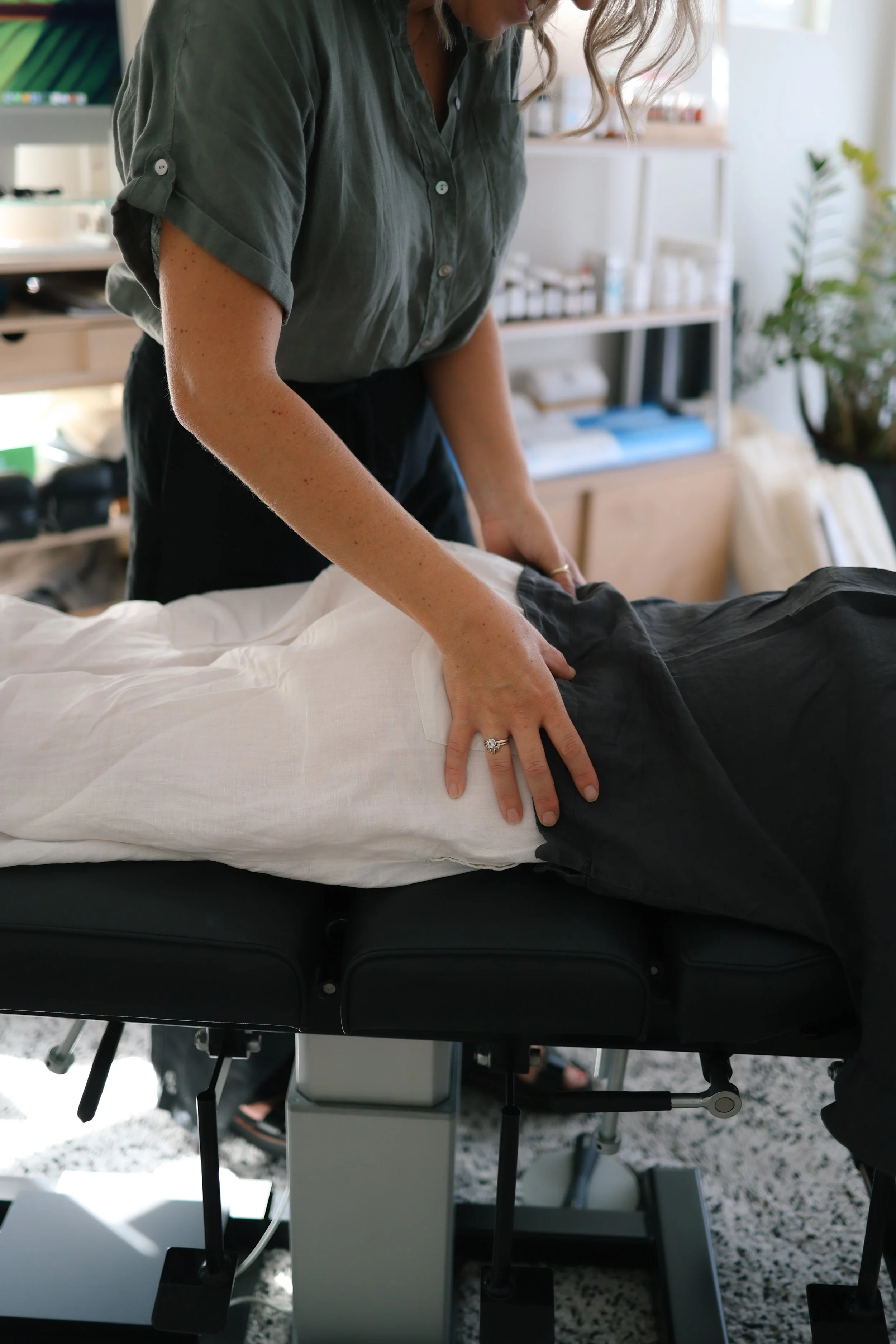
Ready to try chiropractic care for your back pain?
If you’re ready to bid farewell to back pain and make a plan to feel a little bit incredible every day, you’re ready for the first step: book an initial consultation with Flourish Chiropractic in Applecross. We will bend over backwards (figuratively) to uncover the root cause of your discomfort and create a care plan that’ll have you walking tall again.
We can also help with advice about chiropractic techniques for not just back adjustments, but also back and neck pain, shoulder pain, headaches, overall aches, and any other health concerns you may have.
Your back story deserves a happy ending.
Chiropractic care + Flourish = healthier discs
There are a variety of treatments we could recommend for sciatica and disc issues as part of chiropractic care. We may utilise spinal adjustments to target any misalignment or soft tissue therapy to reduce muscle tension and increase flexibility, which will provide better support and ease of movement for your impacted discs.
We may also incorporate exercise therapy with customised exercises and stretches to strengthen the muscles that support the affected discs, gradually improving posture and developing stronger core muscles. We also provide ergonomic education to ensure you maintain optimal positions while sitting, sleeping, and lifting, reducing stress on your discs throughout your daily activities.
At Flourish, we take a holistic approach by considering lifestyle factors that may impact your disc health, addressing nutritional imbalances, recommending exercises outside of the clinic, and encouraging regular physical activity. Our aim is to empower individuals to make positive lifestyle changes that support improved disc health, allowing you to shine and thrive… and flourish!

FAQs for Chiropractic adjustments
Have you got a few questions for us? Aren’t we glad you asked, because we’ve got your back (pun intended). We’ve gathered the answers to the most frequently asked questions, so you can feel totally at ease and well-informed before joining our warm and welcoming family.
-
Chiropractic is a health-care profession that focuses on the spine and other joints of the body, and their connection to the nervous system. The word “chiropractic” means “to be done by hand.” Chiropractors use adjustments to restore joint function and support the nervous system.
-
Chiropractic care can help to alleviate pain by: restoring spinal biomechanics; correcting dysfunction in the musculoskeletal system; encouraging normal joint motion; and reducing muscle spasm.
-
Chiropractic care can be beneficial for a wide range of conditions affecting the musculoskeletal and nervous systems, including back pain, neck pain, headaches, sciatica, carpal tunnel syndrome, and more.
If you have specific questions give us a call to see if we can help.
-
Yes, many insurance plans cover chiropractic care, but coverage varies depending on the specific plan. It's important to check with your insurance company to find out what is covered under your plan.
-
Chiropractic techniques that involve gentle techniques to help with the hips and movement of the low back are effective in reducing pregnancy related pains and correcting pelvic misalignment. Mothers undergo a myriad of changes to their body throughout pregnancy, such as weight gain, postural changes, and hormonal adoptions, which all increase stress on the low back. Chiropractors specifically analyse and adjust the sacrum, pelvis, and associated muscles and ligaments allowing for optimal range of movement in the lower back and pelvis, and minimised tension throughout the uterine and pelvic cavities throughout pregnancy. Many expecting mums choose to receive regular chiropractic check-ups and adjustments throughout pregnancy.
-
You can bring your baby in for an assessment from birth if you have a specific concern, such as a preference for turning their head to one side. At Flourish Chiropractic, we’ll ask what you’ve noticed, assess your baby’s movement and talk you through whether any care or a referral would be appropriate.
-
Children are very physically active and experience frequent falls when learning to walk or to ride a bicycle, and various injuries through participation in sports. Symptoms of back and neck pain can often be alleviated with chiropractic care, which is adapted to be very gentle in the case of children. Chiropractors are able to identify and look after health complaints related to children.
-
During your first chiropractic visit, your chiropractor will conduct a thorough evaluation of your health history, perform a physical examination, and may order diagnostic tests such as x-rays. Based on this evaluation, your chiropractor will develop a personalised care-plan.
-
Chiropractic adjustments are usually pain-free, in fact many people find having a chiropractic adjustment relaxing. Your level of comfort will depend on your injury, the amount of inflammation and the level of tension in the affected area. Most patients experience immediate relief after experiencing a chiropractic adjustment, while others notice mild tenderness and/or tension as their body's alignment and mobility are restored.
-
The number of chiropractic visits you will need depends on the nature and severity of your condition. Your chiropractor will develop a personalised care-plan that takes into account your individual needs and goals.
-
A chiropractic adjustment is a very safe, specific, controlled force applied to a joint to restore proper function and mobility. Accidents, falls, stress or overexertion can negatively impact your spine or other joints. These changes impact tissues, the nervous system and other areas of the body. Left unresolved, this can make you more susceptible to chronic problems. Chiropractic adjustments can help reduce pain, increase movement and improve performa
-
The sound often heard during a chiropractic adjustment is called a cavitation. The sound is caused by a release of gas from the joint fluid, known as 'synovial fluid,' occurring when the joint is adjusted (much like the noise that comes from gas as you open a fizzy drink). Some patients consider an audible pop necessary for their care-plan to be successful, while others prefer their adjustments to be performed without any audible cavitation.
Your first visit to the clinic will include discussing the nature and history of your health, after which a thorough chiropractic, neurological and orthopaedic examination will be performed. If your condition is more complex, x-rays may also be required before the chiropractic solution is provided.
-
One of the best things about chiropractic care is that it can be extremely versatile. We have a wide range of gentle techniques which are perfect for helping people of all ages improve their mobility, vitality and endurance. Many patients find that gentle mobilisations help to ease the pain of osteoarthritis and joint replacements.
-
Yes, our chiropractors are trained to diagnose and treat spinal problems. In fact, chiropractors treat conditions that affect the musculoskeletal and nervous systems, such as herniated discs, degenerative disc disease, spinal stenosis, and more. Chiropractic adjustments are often used to help restore proper alignment and function to the spine, which can alleviate pain, improve mobility, and promote overall health and wellness. If you are experiencing concerns, it may be helpful to consult with a chiropractor to discuss your solution options.